
Foreign Exchange rates by all Ethiopian banks
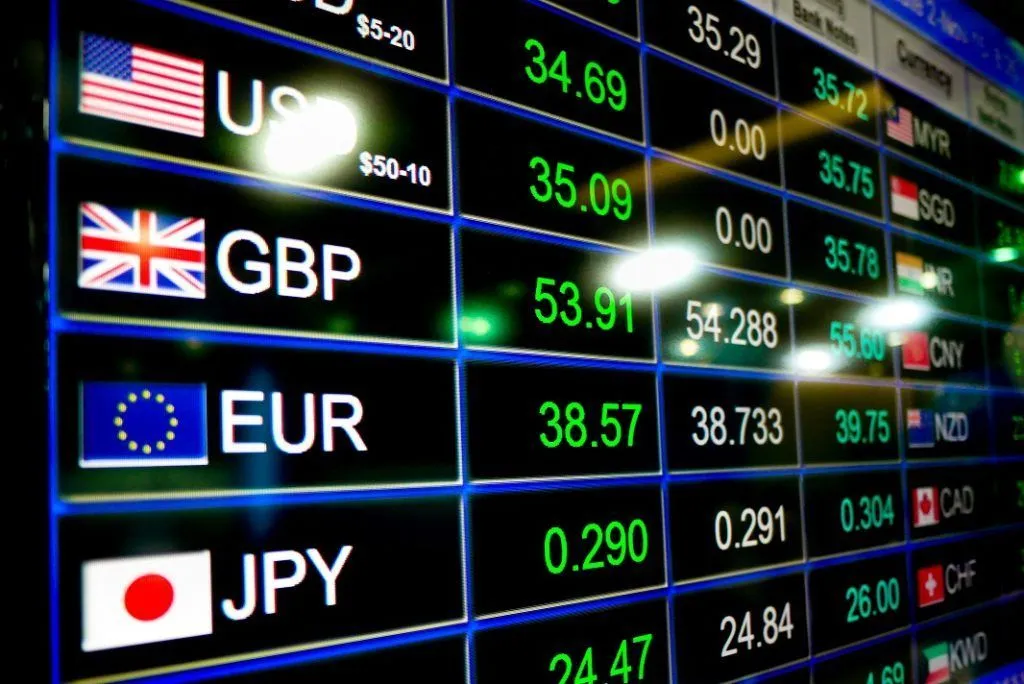
Ethiopian banks, including the Commercial Bank of Ethiopia (CBE), Awash Bank, Dashen Bank, and others, set daily foreign exchange rates based on guidelines from the National Bank of Ethiopia (NBE). These rates are used for buying and selling major foreign currencies such as the US Dollar (USD), Euro (EUR), British Pound (GBP), and others.
The exchange rate system in Ethiopia is officially managed, meaning the government and the NBE play a key role in controlling currency fluctuations. However, there’s often a significant difference between the official bank exchange rates and the black market rates due to foreign currency shortages and high demand.
Customers can check daily exchange rates on the official websites of each bank or by visiting their nearest branch. These rates influence international trade, remittances, travel expenses, and import/export businesses, making them crucial for both individuals and companies operating in Ethiopia.Click the link below 👇 to see the daily exchange rates of all Ethiopian banks.
Gold purchasing rates

The National Bank of Ethiopia (NBE) sets the official gold purchasing rate in the country, which is updated daily based on international market prices. This rate is used when the bank buys gold from local miners, suppliers, and traders, ensuring transparency and alignment with global standards.
NBE’s gold rates are categorized by purity levels, such as 24 karat, 22 karat, and 18 karat, and are displayed in both Ethiopian Birr (ETB) and U.S. Dollars (USD) per gram. These rates serve as a benchmark for gold transactions across the country and help regulate the domestic gold market. By offering competitive and reliable prices, the NBE plays a crucial role in attracting gold supply into the formal economy and curbing illegal gold trade.Click the link below 👇 to see the daily purchasing rates of gold by NBE.
Price of Commodities by NBE

The National Bank of Ethiopia (NBE) regularly publishes the official prices of key international commodities such as gold, platinum, and coffee. These prices are crucial indicators for Ethiopia’s economy, especially given the country’s heavy reliance on exports like coffee and its growing involvement in precious metal markets.
NBE’s commodity prices are usually presented in U.S. dollars and reflect global market values, helping align Ethiopia’s domestic trade with international standards. By tracking these rates, businesses, investors, exporters, and policymakers gain valuable insight into global trends, enabling informed decisions in trade, investment, and production. These official prices also serve as a benchmark for fair market transactions across the country.
In essence, NBE’s commodity pricing helps strengthen market transparency, support Ethiopia’s export sector, and connect the local economy to the wider global market.Click the link below 👇 to see the daily purchasing rates of commodities by NBE.